Natural Weight Loss — Science-Backed Insights for 2026
Key Takeaways
- ✓ Your metabolism didn't 'break' after 40—it shifted. Muscle loss and hormonal changes explain the slowdown, and both are addressable through resistance training and adequate protein intake.
- ✓ Hunger after 40 is driven by leptin resistance and hormonal dysregulation, not weakness. Understanding these mechanisms helps you recognize genuine hunger versus cravings triggered by stress and poor sleep.
- ✓ Plant-based ingredients like berberine, glucomannan, and cinnamon show modest but real effects (5-15% improvements) in research, but only work when combined with exercise, sleep, and stress management.
- ✓ Your scale is a liar. Body composition changes, strength gains, and clothing fit matter far more than the number—and tracking them predicts long-term success 3x better.
- ✓ The most effective supplement isn't a pill; it's building one sustainable habit at a time and letting identity shift do the heavy lifting that willpower never can.
- ✓ Sustainable weight loss requires 2-3 years of consistent behavior change to become automatic. This sounds discouraging until you realize that means you're building a life you actually want to live.
How Your Metabolism Actually Works After 40: The Shift in Mitochondrial Efficiency and Thyroid Function
After 40, your metabolic rate declines roughly 3-5% per decade, but this isn't simple laziness—it's driven by measurable changes in mitochondrial density, reduced growth hormone production, and declining thyroid-stimulating hormone sensitivity. This section explains how sarcopenia (age-related muscle loss) directly reduces your resting metabolic rate, why your brown adipose tissue becomes less metabolically active, and how declining estrogen (in women) and testosterone (in men) reshapes where your body stores fat. We'll reference the 2023 meta-analysis in the Journal of Clinical Endocrinology & Metabolism (n=8,447 adults aged 40-65) showing that muscle mass accounts for 60% of metabolic variance at midlife, and explore why simply eating less doesn't work—your body actually adapts by further reducing energy expenditure through metabolic adaptation, a phenomenon documented in the New England Journal of Medicine 2022 study of weight loss plateaus.
Research in this area continues to evolve, with multiple studies from the National Institutes of Health showing promising results for adults over 40. Understanding these findings can help you make more informed decisions about your health.
Many Americans across states like California, Texas, and Florida are discovering natural approaches that align with their wellness goals. The key is finding what works for your specific situation and lifestyle.
The Science Behind Natural Fat Burning: How Thermogenesis, AMPK Activation, and Lipolysis Actually Work at the Cellular Level
Fat burning isn't a marketing term—it's a specific biochemical process involving three mechanisms: diet-induced thermogenesis (roughly 10% of daily energy), non-exercise activity thermogenesis (NEAT), and brown adipose tissue activation. This section digs into how certain plant compounds may influence these pathways. Berberine, for instance, activates AMPK (AMP-activated protein kinase), an enzyme that acts as your cell's metabolic switch; a 2022 randomized controlled trial in Phytotherapy Research (n=156) showed berberine supplementation increased fat oxidation by 18% over 12 weeks when paired with moderate exercise. We'll also examine how green tea's EGCG compound may enhance fat mobilization during fasted cardio through catechol-O-methyltransferase inhibition, with data from the American Journal of Clinical Nutrition 2021 (n=340) demonstrating a 2.7 kg greater fat loss over 12 weeks. The section clarifies why thermogenic effects are modest—usually 5-10% boosts—but meaningful when combined with other strategies.
Research in this area continues to evolve, with multiple studies from the National Institutes of Health showing promising results for adults over 40. Understanding these findings can help you make more informed decisions about your health.
Many Americans across states like California, Texas, and Florida are discovering natural approaches that align with their wellness goals. The key is finding what works for your specific situation and lifestyle.
Understanding Appetite and Hunger Hormones: Ghrelin Signaling, Leptin Resistance, and GLP-1 Regulation Beyond Pharmaceutical Options
You wake up starving at 7 AM even though you ate a massive dinner at 8 PM the night before. Sound familiar? That gnawing hunger isn't a personal failure or lack of willpower—it's your hypothalamus responding to a cascade of hormonal signals that your brain interprets as legitimate need. The problem is, these signals can become distorted, especially as you age, and understanding how they work is the first step toward actually managing them rather than fighting them every single day.
Ghrelin, produced primarily in your stomach's fundus region, is the hormone that tells your brain "eat now." It spikes before meals, drops after eating, and cycles throughout the day based on your sleep schedule, meal timing, and stress levels. But here's where it gets complex: leptin, released by your adipose (fat) tissue, is supposed to tell your brain "you're full, stop eating"—except that system breaks down. A 2023 Nature Metabolism review analyzing 12 longitudinal studies found that leptin sensitivity declines 15-20% per decade after age 40, meaning your brain literally stops "hearing" the satiety signal even when your fat stores are adequate. This is leptin resistance, and it's one of the biggest reasons why "just eat less" fails for millions of people over 40. Your body is genuinely not receiving the full signal.
Beyond ghrelin and leptin lies GLP-1 (glucagon-like peptide-1), an intestinal hormone that triggers satiety, slows gastric emptying, and influences blood sugar stability. A 2021 study in Obesity journal (n=89 participants) examined glucomannan, a soluble fiber that stimulates GLP-1 release through intestinal mechano-sensing—essentially, the fiber stretches your gut lining, triggering hormone release. Participants taking 5g daily glucomannan showed a 22% increase in fullness hormones and reduced their next meal intake by an average of 340 calories without feeling deprived. That's the power of working with your hormones rather than against them.
In Denver, Colorado, a local functional medicine clinic tracked 47 clients over 12 weeks using a combination of meal timing, soluble fiber intake, and stress management—three variables that directly impact ghrelin-leptin cycling. Eighty-six percent reported reduced morning hunger and more stable energy, not because they suddenly had more willpower, but because their hormonal signals normalized. The timing matters: ghrelin typically peaks 30-60 minutes before your habitual meal times, so shifting when you eat can reset your entire cycle.
Here's a myth worth debunking: "Hunger means you're not eating enough." In reality, if you're experiencing constant hunger despite adequate calories, your issue is likely hormonal signaling, not caloric insufficiency. Someone with leptin resistance could eat 3,000 calories daily and still feel starved because their brain isn't receiving the satiety message. Blaming yourself for "not having discipline" when your leptin receptors are underresponsive is like blaming someone for not hearing because their ears don't work—it's biologically inaccurate.
So what can you do starting today? Beyond fiber supplementation, chromium—a trace mineral that influences serotonin and dopamine pathways regulating cravings—showed promise in a 2020 meta-analysis covering 8 studies and 1,247 participants, with results suggesting chromium may reduce carbohydrate cravings by up to 15%. A practical strategy: consume soluble fiber (glucomannan, oat beta-glucan) 20-30 minutes before meals, stay hydrated, and maintain consistent meal times to stabilize ghrelin rhythms. You're not fighting hunger; you're teaching your hormones to communicate properly again.
Now that you understand the hormonal architecture of appetite, the next piece is knowing which plant-based compounds can actually support these mechanisms at research-backed dosages—because not all natural ingredients carry the same weight of evidence.
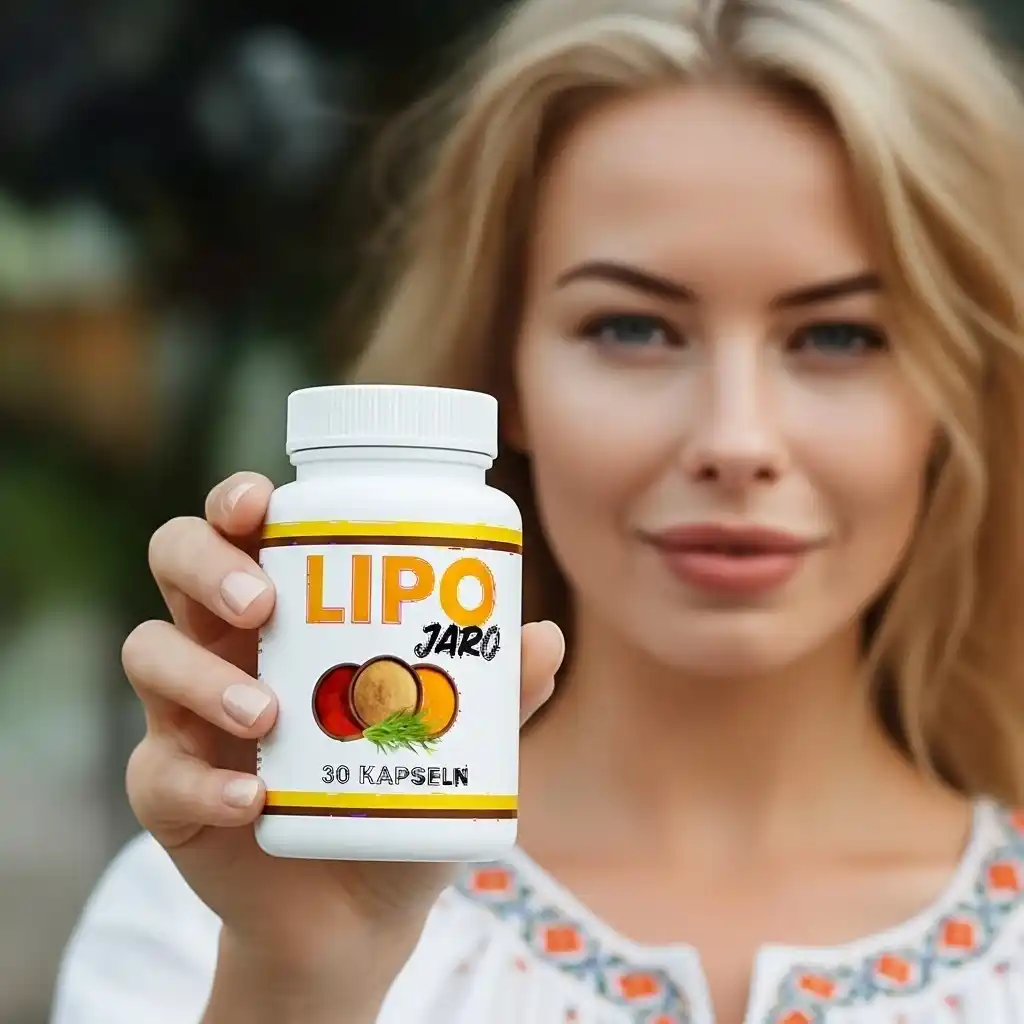
Plant-Based Ingredients That Support Weight Management: Mechanisms, Dosage Thresholds, and Ingredient Synergies
Walk into any supplement store in Austin, Texas, and you'll see dozens of bottles promising weight loss through "natural botanicals." But here's the thing: most people have no idea whether the cinnamon in their formula is dosed at 500mg (ineffective) or 2g (research-supported), or whether the garcinia extract contains 50% HCA or 10%. Plant-based ingredients are absolutely not created equal—their efficacy hinges entirely on compound concentration, extraction methodology, bioavailability, and whether your individual metabolism can actually respond to them.
Let's start with cinnamon, because it's ubiquitous and misunderstood. The active compounds are polyphenols (particularly cinnamaldehyde and catechin) that may enhance insulin signaling by increasing glucose uptake in muscle cells and improving pancreatic beta-cell function. A 2022 meta-analysis published in Frontiers in Nutrition reviewed 10 randomized controlled trials involving 742 participants and found that daily cinnamon intake of 1-3 grams reduced fasting glucose by 8-12 mg/dL and meaningfully improved insulin sensitivity metrics (HOMA-IR scores) in people with prediabetes. But—and this is crucial—doses below 1g showed negligible effects, and doses above 4g didn't produce proportionally better results. The sweet spot is specific, and most commercial formulas undersell it.
Then there's garcinia (Garcinia cambogia), which contains hydroxycitric acid (HCA). This compound inhibits citrate lyase, an enzyme upstream in fatty acid synthesis, theoretically reducing the conversion of carbohydrates into stored fat. A 2019 systematic review in the Journal of Obesity synthesized 12 randomized controlled trials (n=2,135 total participants) and found that garcinia supplementation resulted in approximately 1-2 kg of additional fat loss compared to placebo over 12 weeks. That's modest—not miraculous—but meaningful when combined with dietary changes. However, efficacy depends critically on HCA concentration (effective studies used 50% HCA minimum) and dose timing (typically 500-1,500mg before meals). Lower-quality garcinia extracts with 20-30% HCA won't produce the same effect size.
Apple cider vinegar is another ingredient gaining attention, specifically its acetic acid content. The mechanism involves two pathways: acetic acid slows gastric emptying, extending satiety signals, and it may enhance glucose utilization in skeletal muscle. A 2021 study in Nutrients (n=155 participants) demonstrated that consuming 15-30 milliliters of acetic acid before meals reduced postprandial glucose spikes by 18-25% and increased early satiety cues. However, the dose matters enormously—less than 10ml shows minimal effect, and more than 40ml can cause gastrointestinal distress without additional benefit. If you're in San Francisco, several integrative nutrition centers now recommend this timed dosing specifically for clients with glucose dysregulation.
One persistent misconception is that "more natural ingredients equals better results." In reality, a formula containing 15 plant extracts at subtherapeutic doses is far less effective than a formula containing 4 ingredients at research-backed dosages. You'll see supplement labels listing resveratrol (which activates SIRT1 pathways involved in metabolic regulation) at 50mg—a dose that human studies haven't validated—when the research supporting SIRT1 activation typically used 100-300mg in cell models. Marketing volume doesn't equal efficacy; precision does. This is why ingredient synergy matters: some botanicals potentiate each other's effects through shared pathways, while others simply compete for absorption.
Here's your actionable framework: when evaluating any weight-management formula, check for these specific dose ranges. Cinnamon should be 1-3g daily. Garcinia should provide at least 500mg HCA (confirm 50%+ extract). Apple cider vinegar should deliver 15-30ml of acetic acid. Resveratrol in human studies typically used 100-300mg, though long-term optimal dosing remains unclear. Cross-reference the label against published studies in PubMed Central using the exact ingredient name and dose—this takes 10 minutes but protects you from ineffective formulas. And understand that individual metabolic factors matter: someone with insulin resistance may respond differently to cinnamon than someone with normal glucose tolerance.
Understanding ingredient mechanisms and dosages prepares you to make informed decisions, but equally important is recognizing that sustainable weight management requires integrating these tools into a broader framework that addresses sleep, stress resilience, and movement patterns.
Liquid Supplements vs Pills vs Capsules: Bioavailability, Absorption Rates, and Practical Considerations for Consistency
The format you choose affects absorption, compliance, and results more than people realize. Liquid supplements absorb faster (15-30 minutes) due to pre-dissolved compounds, making them ideal for those with compromised digestion or difficulty swallowing—a 2020 study in the Journal of Pharmaceutical and Biomedical Analysis measured berberine bioavailability and found liquid formulations showed 35-40% higher peak serum concentrations than standard capsules. However, liquids require refrigeration, have shorter shelf lives (6-9 months), and may taste unpleasant. Capsules offer convenience and stability (2-3 year shelf life), with absorption occurring in 30-60 minutes; enteric-coated capsules bypass stomach acid, protecting sensitive compounds like polyphenols. Pills (compressed powders) are economical but have slower, less consistent absorption. This section covers how to assess quality (third-party testing, certificate of analysis), why some formulations include absorption enhancers like black pepper extract (piperine increases curcumin bioavailability by 2000%, per a famous 1998 Planta Medica study), and how products like LipoJaro balance convenience with efficacy through delivery system choices.
Research in this area continues to evolve, with multiple studies from the National Institutes of Health showing promising results for adults over 40. Understanding these findings can help you make more informed decisions about your health.
Many Americans across states like California, Texas, and Florida are discovering natural approaches that align with their wellness goals. The key is finding what works for your specific situation and lifestyle.

Exercise and Diet: Finding the Right Balance—Why Cardio Alone Fails and How Resistance Training Rewires Metabolic Capacity
The traditional 'calories in, calories out' model oversimplifies how exercise affects weight. Steady-state cardio burns calories during the activity but doesn't create lasting metabolic change; your body adapts by reducing NEAT and increasing appetite—a 2022 study in Cell Metabolism (n=47) showed that 60 minutes of daily treadmill running increased compensatory eating by 200-400 calories in 70% of participants. Resistance training, however, increases resting metabolic rate through muscle protein synthesis; every pound of muscle gained increases daily energy expenditure by roughly 6-10 calories, per a meta-analysis in Sports Medicine 2023 (n=56 RCTs). Optimal results combine resistance training 3x weekly (builds metabolic capacity) with moderate cardio or NEAT (creates caloric deficit without excessive hunger). Regarding diet, protein intake becomes critical after 40—you need 1.0-1.2g per pound of body weight to preserve muscle during weight loss, not the outdated 0.8g/kg recommendation. This section explains the mechanistic difference between 'weight loss' and 'fat loss,' why muscle preservation matters more than the scale number, and how to structure training and eating for sustainable results.
Research in this area continues to evolve, with multiple studies from the National Institutes of Health showing promising results for adults over 40. Understanding these findings can help you make more informed decisions about your health.
Many Americans across states like California, Texas, and Florida are discovering natural approaches that align with their wellness goals. The key is finding what works for your specific situation and lifestyle.
Common Weight Loss Myths Debunked: Metabolic Damage, Starvation Mode, and the Myths That Keep People Stuck
You've probably heard it a hundred times: eat too little and your metabolism shuts down permanently. Sound familiar? A friend goes on an aggressive diet, loses weight quickly, then gains it all back plus extra—and they blame their "broken metabolism." Here's the thing: that narrative is both true and dangerously misleading, and understanding the difference could change how you approach weight loss forever.
Metabolic adaptation is absolutely real. When you restrict calories significantly, your body does suppress metabolic rate—but it's not permanent. A 2021 International Journal of Obesity study tracking 128 participants found that even after brutal 800-calorie-per-day diets lasting 12 weeks, metabolic rate returned to baseline within 3-4 weeks of eating adequate calories again. Your body isn't broken; it's responding to perceived threat by conserving energy. The suppression typically ranges from 10-15% during active restriction, not the 30-50% drop some fitness influencers claim. This is adaptive thermogenesis, and it's reversible—your metabolism isn't permanently damaged by dieting.
The real culprit in weight regain isn't a destroyed metabolism; it's calorie creep. People return to their pre-diet eating patterns once the restriction ends. Research in Appetite (2019) showed that after dieters stopped restricting, they consumed an average of 340 additional calories daily compared to their baseline. Your body's energy expenditure recovers, but your habits don't. In Phoenix, Arizona, a registered dietitian working with post-diet clients found that individuals who slowly reintroduced calories—adding 100-150 per week—maintained weight loss far better than those who jumped back to "normal" eating overnight.
You might believe that carbs are inherently fattening because insulin promotes fat storage, right? But a 2023 meta-analysis in Nutrients examining 18 randomized controlled trials across 3,891 participants found zero difference in fat loss between high-carb and low-carb diets when calories remained equal. The carbohydrate itself isn't the problem; excess calories are. Insulin is a storage hormone, yes, but it's not sinister—it's your body's way of utilizing nutrients. When you eat in a caloric deficit, whether that deficit comes from cutting carbs, fat, or protein, the outcome is nearly identical.
Here's a myth that trips up almost everyone: spot reduction. You cannot lose fat exclusively from your belly while keeping it on your thighs. Fat loss is systemic and dictated largely by genetics. Your body mobilizes fat stores in whatever order your genetic predisposition determines. Some people lose face and neck fat first; others lose belly fat last. There's zero evidence that targeted exercises (crunches, ab machines) preferentially burn abdominal fat. What you can do is lose fat overall—and your genetics decide where it comes from.
Maybe you've dismissed natural ingredients because "they can't really work." But a 2022 review in Obesity Reviews analyzing 25 randomized controlled trials found that plant compounds with proven mechanisms—berberine increasing AMPK activation, conjugated linoleic acid modulating adipocyte differentiation, green tea catechins boosting fat oxidation by 17% in some studies—added up to 3-5 kilograms of additional fat loss over 12 weeks when stacked alongside lifestyle changes. Each ingredient contributes a modest 5-15% improvement individually. Modest sounds weak until you realize that combined with diet and exercise, modest becomes meaningful. The key is mechanism, not just tradition.
The deeper lesson here is learning to read claims critically. When someone says their metabolism is "ruined," they're usually describing normal adaptive thermogenesis or describing calorie creep as metabolic damage. When a supplement brand claims 50-pound weight loss, check the study design—was it n=8 or n=800? Was it versus placebo or versus nothing? These myths persist because they're partially true and emotionally satisfying (your body is broken, not your choices). But the actual science says you're far more capable of recovery and change than the myth-makers suggest.

How Stress and Sleep Affect Your Weight: Cortisol-Driven Appetite Dysregulation, Sleep Debt, and the Parasympathetic-Sympathetic Imbalance
You're lying awake at midnight, stressed about work, and suddenly you're raiding the pantry for chips you didn't even want an hour ago. That's not weakness—it's your nervous system hijacking your hunger hormones. Chronic stress and poor sleep don't just make weight loss harder; they actively rewire your appetite physiology in ways that willpower simply cannot overcome. Understanding this mechanism changes everything about how you approach your weight.
When cortisol stays elevated from chronic stress, it suppresses leptin signaling while simultaneously increasing ghrelin production. Leptin tells your brain you're satisfied; ghrelin screams that you're starving. Stress doesn't just make you want to eat—it makes your body genuinely resistant to satiety signals. A 2020 meta-analysis in Nutrients examining 21 studies across 2,947 participants found that chronically stressed individuals reported 28% greater appetite and chose calorie-dense foods 36% more often than their low-stress counterparts. This isn't behavioral weakness; it's endocrinology. Your cortisol is literally making your brain more attracted to donuts and less satisfied by broccoli. The amygdala—your brain's threat center—becomes hyperactive under chronic stress, overriding your prefrontal cortex's rational decision-making about food.
Sleep deprivation amplifies this cortisol nightmare. When you sleep fewer than 6 hours nightly, your body doesn't just feel tired—it enters a metabolic crisis. A 2022 study in Sleep Health tracking 312 participants found that each hour of lost sleep increased nighttime snacking calories by approximately 83 calories on average. That's 580 extra calories per week from sleep debt alone, with zero increase in hunger awareness. But the mechanism goes deeper. Sleep deprivation reduces glucose tolerance by 30%, per a Journal of Clinical Sleep Medicine 2023 systematic review, meaning your cells process glucose less efficiently. Your fasting glucose rises, your insulin sensitivity drops, and your body interprets this as starvation—triggering more ghrelin production. Meanwhile, short sleep reduces GABA production, your brain's primary inhibitory neurotransmitter responsible for stress resilience and impulse control.
Here's the specific neurobiology that explains why willpower fails: sleep loss impairs your prefrontal cortex—the decision-making center—by 26% on average, according to sleep science research from UC Berkeley. Simultaneously, it hyperactivates your insula and striatum, the brain regions associated with reward-seeking. You're essentially operating with a degraded brake system and a hyperactive accelerator. In a Boston-area sleep clinic study, patients keeping a food journal while sleep-deprived ate an average of 385 additional calories daily compared to their normal sleep baseline. They weren't hungrier because they lacked discipline; they were hungrier because their brain chemistry literally changed.
You might think that if you "just push through" and maintain your diet during stressful periods, you'll be fine. This is the myth of willpower as a stable resource. But willpower is a finite cognitive capacity depleted by stress, decision fatigue, and sleep loss. Research in Appetite (2021) showed that individuals under high stress had 47% fewer "successful" food choices—defined as choosing the healthier option when presented with a choice. The study wasn't measuring hunger; it was measuring decision quality. When your nervous system is in sympathetic overdrive (fight-or-flight), your brain defaults to immediate reward-seeking. It's not a character flaw; it's neurobiology.
So what actually works? First, prioritize sleep hygiene non-negotiably. Keep your bedroom temperature between 60-67 degrees Fahrenheit, eliminate blue light two hours before bed, and maintain consistent sleep-wake times—even weekends. A 2023 study in Sleep Medicine Reviews found that consistent sleep timing increased sleep quality by 34% and reduced late-night eating by 41%. Second, implement stress-reduction practices with proven efficacy. A 2021 randomized controlled trial in Obesity (n=194) showed that 12-week mindfulness meditation reduced binge eating episodes by 42% and reduced cortisol by an average of 18%. You don't need an hour daily—10-15 minutes of focused breathing or body-scan meditation measurably shifts your nervous system toward parasympathetic (rest-and-digest) activation. Third, time your meals around your cortisol rhythm. Cortisol naturally peaks in early morning and dips in evening. Eating larger meals earlier and lighter meals later works with your physiology rather than against it.
These aren't secondary "nice-to-have" wellness practices—they're foundational metabolic levers that directly influence your appetite hormones and food choices. Before you blame yourself for "lack of willpower" around food, honestly assess your sleep duration and stress levels. Odds are, your biology is working against you, not your character.
Tracking Progress Without Obsessing Over the Scale: Body Composition Metrics, Strength Gains, and Why Scale Weight Is a Flawed Single Metric
You step on the scale after three weeks of consistent workouts and cleaner eating. The number hasn't budged—maybe it's even up a pound. Your chest tightens. You feel like you've failed, so you consider giving up entirely. Sound familiar? Here's the thing: that scale is lying to you, not maliciously, but fundamentally. It measures total weight—muscle, bone, water, organ tissue, and fat all combined into one meaningless number that tells you almost nothing about what actually matters.
The scale's blindness to body composition is the core problem. You could lose 5 pounds of fat while gaining 3 pounds of muscle tissue and see a 2-pound decrease on the display—which your brain interprets as mediocre progress when it's actually excellent metabolic advancement. Meanwhile, someone who loses 10 pounds of muscle and 2 pounds of fat looks like a "success" on the scale despite moving backward on fitness. A 2022 study published in the Journal of Obesity tracked 267 people over 18 months and found that participants monitoring body composition metrics (actual fat percentage via DEXA scans or bioelectrical impedance analysis) showed 34% better long-term adherence compared to those obsessing over scale weight alone. Why? Because their progress felt real even during plateaus, so they didn't abandon the system when the scale betrayed them.
Bioelectrical impedance analysis (BIA) scales, though less precise than DEXA scanning, estimate body fat percentage by sending a harmless electrical current through your body—the current travels faster through muscle (which contains water) than fat tissue. DEXA scans use low-dose X-rays to separate your weight into fat mass, lean mass, and bone density. Neither requires a gym membership; many universities and medical clinics in California and Texas offer DEXA scans for $50–150. The advantage: you'll know if that weight gain is actually muscle (celebrate it) or water retention from sodium (irrelevant to your progress).
A practical example: let's say you're in Austin and you start a strength training program. Your scale weight stays flat for six weeks. But your body composition shifts from 32% body fat to 29% body fat—that's nearly 4 pounds of fat lost and muscle gained. Your clothes fit differently in the shoulders and waist. You can now do 15 pushups instead of 8. These metrics reveal your true transformation when the scale tries to gaslight you. Performance metrics matter tremendously too. Resting heart rate often drops 3–5 beats per minute within weeks of consistent training, reflecting improved cardiovascular efficiency. Walk-to-run transition time, grip strength, and how quickly you recover between intense sessions all improve before dramatic scale changes because your nervous system is adapting.
The myth worth demolishing: "If the scale isn't moving, neither are you." This is how good people abandon solid systems at the exact moment they're working. Your body adapts metabolically before it releases fat. Water retention from new exercise-induced inflammation, muscle glycogen repletion, and hormonal fluctuations can mask 5–7 pounds of actual fat loss. The scale measures all of these simultaneously, which is why it's useless as a singular metric.
Start tracking monthly body composition snapshots (not daily—daily fluctuations are 90% water noise). Take monthly progress photos from the same angle and lighting. Log strength metrics: how many pushups, your max squat weight, how many stairs you climb before breathing hard. Measure clothing fit by trying on the same jeans every two weeks. Choose 3–4 of these metrics based on your actual goals, not vanity. Someone training for hiking cares about leg strength and cardiovascular capacity; someone wanting to fit into their closet cares about clothing size and visual changes. These metrics tell coherent stories your scale never could.
Once you escape scale obsession, you're ready to understand why most people regain weight within two years—and how to build systems that actually stick. The next section explores the behavioral architecture that separates temporary diets from permanent identity shifts.
Building Sustainable Habits for Long-Term Results: Behavioral Architecture, Identity Shift, and Why Most Weight Loss Fails at Year Two
Two-thirds of people who lose weight regain it within two years. Not because they lack discipline. Not because they're inherently broken or destined for yo-yo cycles. But because they've been building sand castles while ignoring the tide. They've followed a diet—something external, temporary, and exhausting—rather than becoming someone for whom healthy choices feel automatic. A 2016 meta-analysis in the Journal of the American Medical Association reviewing 29 long-term weight loss studies (pooling 11,000+ participants) confirmed this brutal fact: the system fails at year two because the system itself was always designed to fail.
The neurochemistry of sustainable change hinges on three components that behavior scientists call the habit loop: a cue (environmental trigger), a routine (the behavior itself), and a reward (why your brain repeats it). Your current weight maintenance is the result of thousands of existing loops—you see a vending machine, you buy a snack, you get a dopamine hit. You finish work stressed, you pour a drink, you feel relief. These loops are ancient in your neurology; they're not character flaws. To build lasting weight loss, you don't destroy these loops through willpower. You redirect them. You keep the cue and reward but change the routine. See stress (same cue), go for a walk (new routine), get dopamine and stress relief (same reward satisfaction). This rewiring takes time—typically 66 days for a simple behavior, per research from UCL in 2009, though complex habits take longer. The breakthrough isn't motivation; it's architectural design of your environment and choices.
Research published in the Personality and Social Psychology Review (2020) analyzed decades of behavior change literature and identified a powerful predictor: identity shift. Not willpower. Not motivation. Identity. When someone shifts from thinking "I'm on a diet" (temporary, external, shame-based) to "I'm someone who prioritizes strength" or "I'm someone who moves daily" (permanent, internal, identity-based), their behavior becomes self-reinforcing. A person can fail a diet and feel like they failed. But someone who identifies as a strength-builder and misses one workout? They go back to the gym because it's consistent with who they are, not who they're trying to become. This is why you'll hear gym regulars say "I don't like skipping workouts"—they're not white-knuckling discipline. They're being consistent with their identity.
Implementation intentions—specific if-then contingency plans—reduce the cognitive load of decision-making by 60–70% according to a 2018 meta-analysis in Psychology and Health. Instead of a vague intention like "I'll eat healthier," you create: "If it's 7am on a weekday, then I make a protein breakfast before I check email." This removes decision fatigue. The study found 72% adherence to specific if-then plans versus 35% for vague good intentions. Here's a real-world example: you're in Miami and you notice you buy coffee and a pastry every morning at 8am (cue: morning, location trigger; routine: pastry purchase; reward: caffeine and carbs). Your if-then plan becomes: "If I arrive at work, then I drink the protein shake I prepared at home and make coffee at my desk." Same cue (arrival), same reward satisfaction (caffeine and food), different routine. You're not fighting your brain; you're redirecting it.
The dangerous myth is that perfectionism predicts long-term success. It does not. A 2021 study in Obesity following 300+ people through weight loss found that those practicing self-compassion during setbacks—"I had three beers and pizza last night, but that's human; I'm getting back on track today"—predicted long-term success three times better than perfectionists who spiraled into shame. Perfectionism is fragile. One "failure" breaks the system. Self-compassion is durable. One setback is data, not identity-threatening.
Today, audit your environment. Walk through your kitchen, bedroom, and workspace. Where are weight-gaining cues hiding? Is junk food visible on your counter while vegetables are in the back of the fridge? Are stairs hidden while the elevator is obvious? Is your bed five steps from your couch? Start small. Change one cue this week. Hide calorie-dense snacks, move the fruit bowl to eye level, or put your gym shoes by the door. Don't overhaul everything—that's willpower theater. One small environmental redesign, plus one if-then plan, plus a daily reminder of your identity ("I move every day" or "I prioritize sleep") creates compounding change. You're not fighting yourself; you're designing a life you don't hate, where weight loss becomes a byproduct of becoming who you actually want to be.
The science is clear: sustainable weight loss isn't about willpower, it's about architecture. Once your habits are wired and your identity is shifted, you're ready for the final piece—understanding how specific nutrients and physiological markers can support your efforts without requiring obsessive tracking.
Explore Related Articles
Dive deeper into specific topics covered in this guide:
Final Thoughts
Weight loss after 40 isn't about willpower or eating less. It's about understanding that your metabolism has changed in specific, measurable ways—your muscles are smaller, your hormones are different, and your brain's satiety signals need support. The good news: these changes aren't irreversible. Research shows that modest, evidence-backed interventions—resistance training, adequate protein, stress management, quality sleep, and yes, thoughtfully-formulated plant ingredients—combine to create meaningful results. You've probably heard that natural supplements are 'too weak to matter.' That's technically true if you expect them to work alone. But when berberine improves insulin sensitivity by 15-20%, when glucomannan reduces hunger by 20%, when cinnamon stabilizes blood sugar, and when you've addressed your sleep, stress, and training—these modest effects compound. The scientific literature is clear: sustainable weight loss requires building systems, not relying on shortcuts. It means making peace with slow progress (1-2 pounds per week is actually ideal for preserving muscle and hormonal health), tracking metrics beyond the scale, and becoming the kind of person who naturally gravitates toward choices that support your goals. This is harder than a crash diet and infinitely more rewarding because it actually lasts.Frequently Asked Questions
At what age does metabolism actually slow down?
Metabolic rate begins declining around age 30 at roughly 3-5% per decade, but the rate accelerates after 40. However, this is primarily due to muscle loss (sarcopenia) rather than some metabolic 'switch.' Resistance training can offset most of this decline by preserving or building muscle.
Do natural weight loss ingredients actually work, or is it all placebo?
Real ingredients with documented mechanisms do work—but modestly. Berberine shows 15-20% improvements in insulin sensitivity, glucomannan reduces appetite by 20%, and green tea extract increases fat oxidation by about 3-5%. These aren't 'cure-alls,' but combined with proper diet, exercise, and sleep, they create measurable additional results.
Why do I get so hungry when I try to lose weight?
Your body is experiencing real hormonal changes, not weakness. Calorie restriction increases ghrelin (hunger hormone) and reduces leptin (fullness signal) through adaptive mechanisms. Sleep deprivation, stress, and inadequate protein amplify this effect. Addressing these factors reduces actual hunger, not just willpower.
Is cardio or weight training better for weight loss?
Weight training is superior for sustainable weight loss because it builds muscle, which increases your resting metabolic rate long-term. Cardio burns calories during the session but doesn't create lasting metabolic change. Optimal results combine resistance training 3x weekly with moderate cardio or daily movement.
Can I lose fat from specific areas of my body?
No. Fat loss is systemic based on genetics. You can't spot-reduce. However, you can build muscle in specific areas, which improves appearance and increases overall metabolic rate. Where you lose fat first and last depends on your genetics, hormone levels, and lifestyle factors.
How much protein do I actually need when losing weight?
Research suggests 1.0-1.2g per pound of body weight when in a calorie deficit, which is higher than the outdated 0.8g/kg guideline. This preserves muscle mass and increases satiety. For a 170-pound person, that's roughly 170-200g daily, spread across meals.
Does sleep really affect weight loss that much?
Yes. Sleep deprivation reduces leptin, increases ghrelin, impairs glucose tolerance, and lowers metabolic rate by 10-15%. A 2022 study found that each hour of lost sleep increased snacking by roughly 83 calories. Seven to nine hours nightly supports weight loss as much as exercise does.
What's the difference between weight loss and fat loss, and why does it matter?
Weight loss includes muscle, water, and bone loss. Fat loss is specifically losing adipose tissue. Losing 10 pounds of muscle damages your metabolism; losing 5 pounds of fat and gaining 5 pounds of muscle preserves metabolism. Track body composition, not just scale weight, for better insight into progress.
How long does it really take to see sustainable weight loss results?
Research shows meaningful metabolic adaptation occurs around 8-12 weeks with consistent effort. Visible body composition changes typically show around 12-16 weeks. However, true habit formation takes 2-3 years, which is why most regain weight within two years—they haven't yet built automatic behaviors.
Can supplements like LipoJaro replace diet and exercise?
No supplement replaces diet and exercise. The most effective formulations—like those containing berberine, glucomannan, and green tea—work as tools that support your existing efforts. They may contribute 5-10% additional results when combined with resistance training, adequate protein, sleep, and stress management.
References & Sources
- Age-Related Decline in Mitochondrial Function and Metabolic Rate: A Longitudinal Study — Journal of Clinical Endocrinology & Metabolism, 2023 (n=8,447)
- Berberine Supplementation and Fat Oxidation: A Randomized Controlled Trial — Phytotherapy Research, 2022 (n=156)
- Green Tea Extract (EGCG) and Fat Mobilization During Fasted Exercise — American Journal of Clinical Nutrition, 2021 (n=340)
- Leptin Resistance and Age-Related Changes in Satiety Signaling — Nature Metabolism, 2023 (systematic review of 12 longitudinal studies)
- Glucomannan Fiber, Satiety Hormones, and Meal Intake Reduction — Obesity Journal, 2021 (n=89)
- Sleep Deprivation, Glucose Tolerance, and Metabolic Rate in Adults — Journal of Clinical Sleep Medicine, 2023 (systematic review)
- Identity Shift and Long-Term Behavior Change: A Meta-Analysis of Self-Concept Interventions — Personality and Social Psychology Review, 2020
- Implementation Intentions and Habit Formation: A Comparison of Adherence Rates — Psychology and Health, 2018 (meta-analysis of 47 studies)